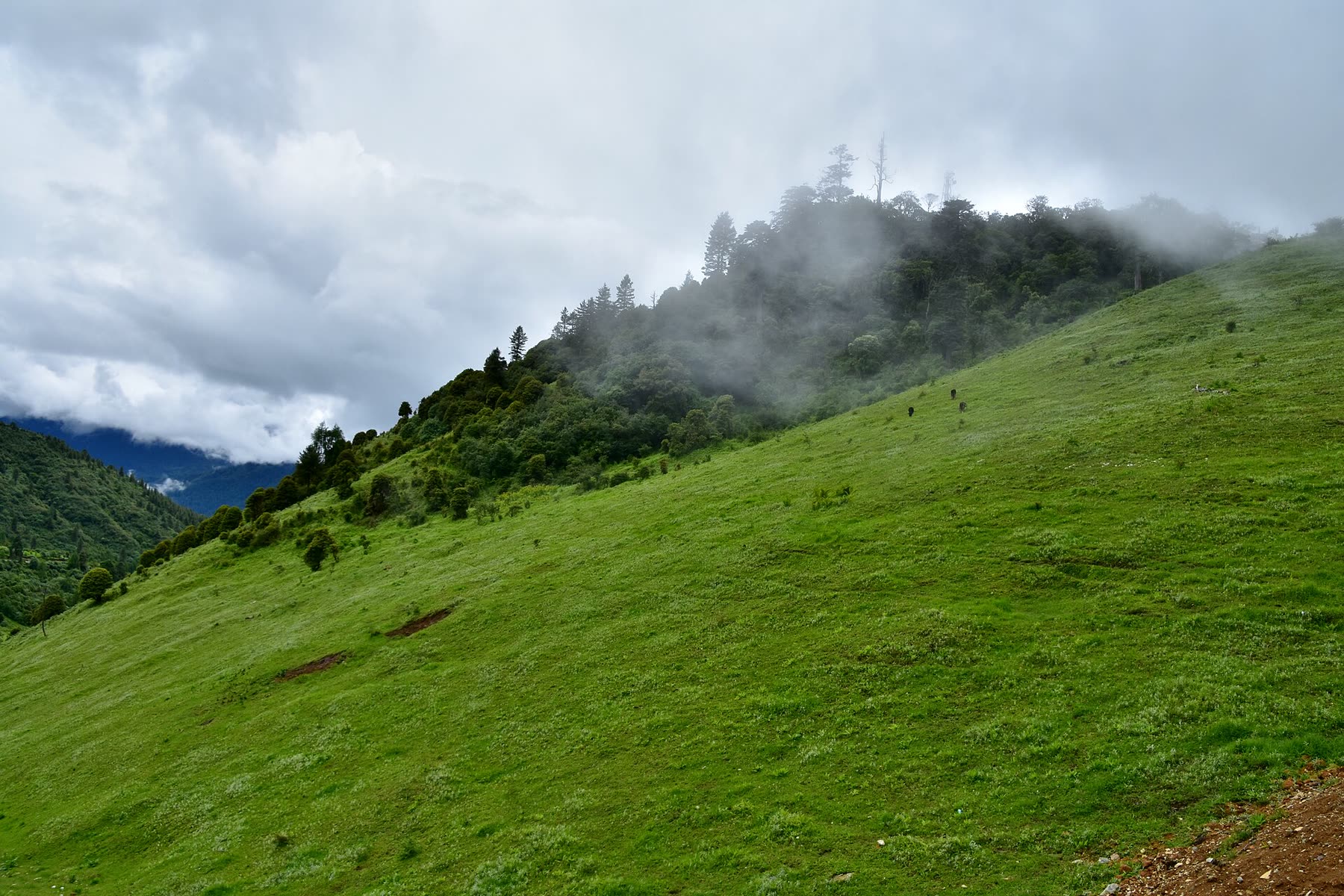
Bhutan opened to tourists only in 1974, and from the start it chose a different path: fewer visitors, each leaving a lighter footprint and a greater contribution.
High Value, Low Volume
Rather than chase visitor numbers, Bhutan limits the impact of tourism through its Sustainable Development Fee. Every night you stay helps fund free healthcare and education for Bhutanese citizens, forest and wildlife conservation, and the care of temples and dzongs.
A carbon-negative country
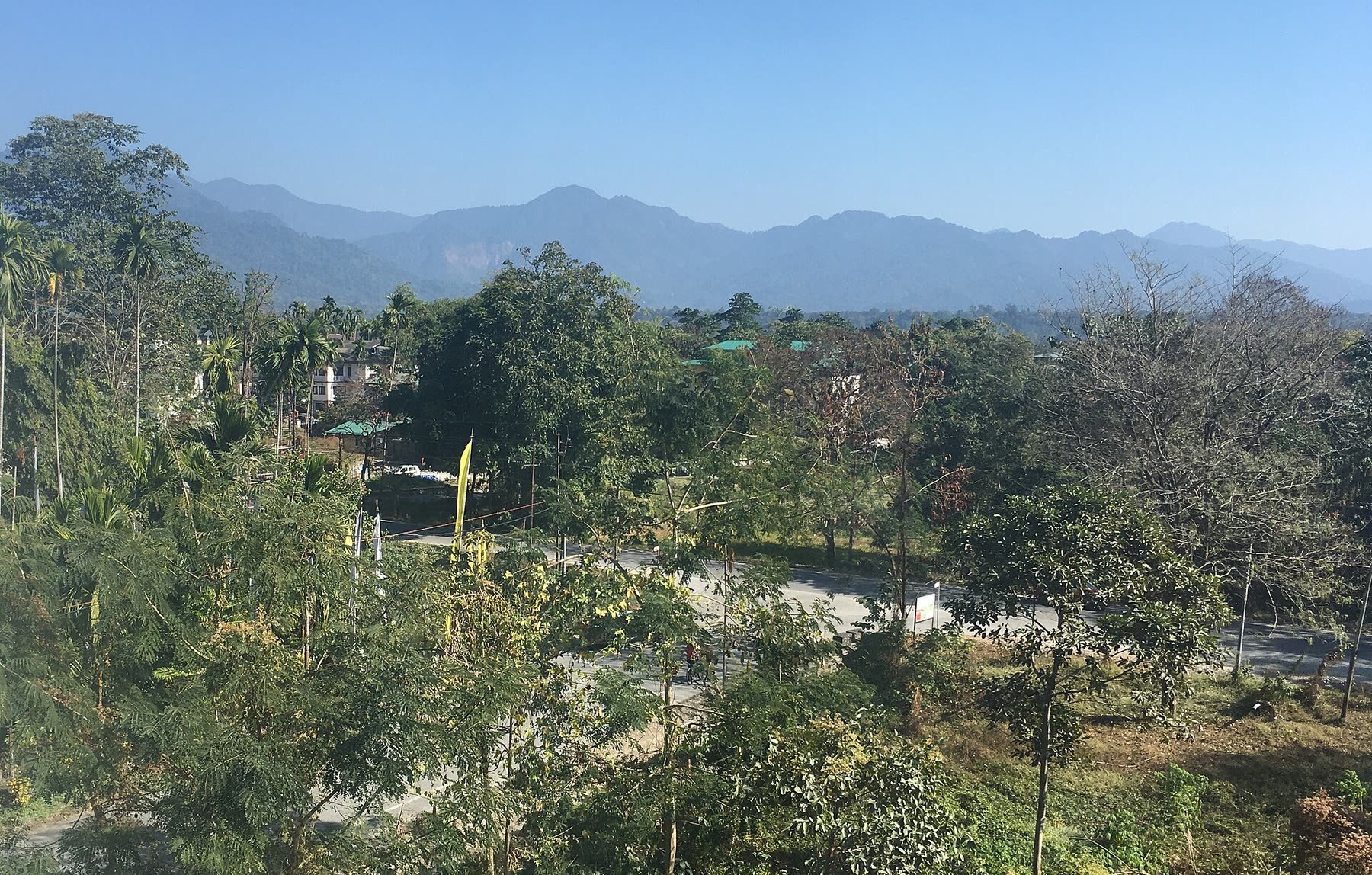
With around 70% of its land under forest and electricity generated almost entirely by hydropower, Bhutan absorbs more carbon than it emits. Its constitution requires that at least 60% of the country remains forested for all time.
How to travel lightly
- Carry a refillable bottle and use the filtered water we provide
- Stay in locally owned hotels and farmhouses
- Buy handicrafts directly from weavers and artisans
- Leave no trace on treks — our crews carry out all rubbish
- Respect sacred sites and local customs
Our commitment
We work with local guides, drivers, cooks and horsemen, choose family-run partners wherever possible, and keep group sizes small, so that more of what you spend stays in Bhutan's communities.
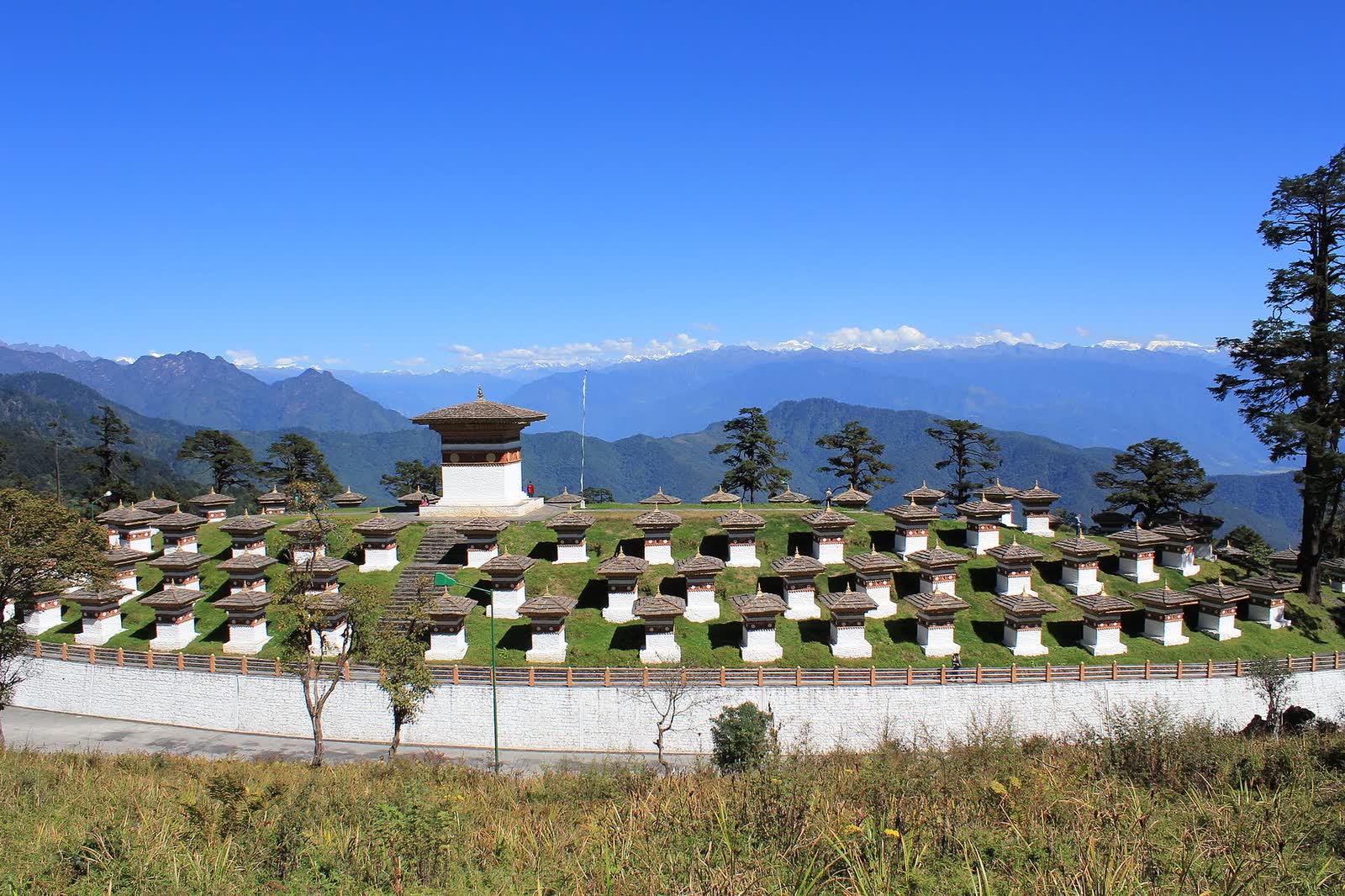
Header photo: Prof. Mortel, CC BY 2.0