In the 1970s, Bhutan's Fourth King made a remarkable statement: that Gross National Happiness is more important than Gross Domestic Product. Half a century later, the idea still guides how the kingdom is run.
More than a slogan
Gross National Happiness (GNH) holds that development should serve the wellbeing of people and the planet, not just economic growth. Policies are weighed against how they affect health, culture, community and the environment, and the country regularly surveys its own citizens to see how life is really going.
The four pillars
- Sustainable and equitable socio-economic development
- Conservation of the environment
- Preservation and promotion of culture
- Good governance
Nine domains of wellbeing
GNH is measured across nine domains: psychological wellbeing, health, education, time use, cultural diversity and resilience, good governance, community vitality, ecological diversity and resilience, and living standards. It is a richer picture of a good life than income alone.
What it means for visitors
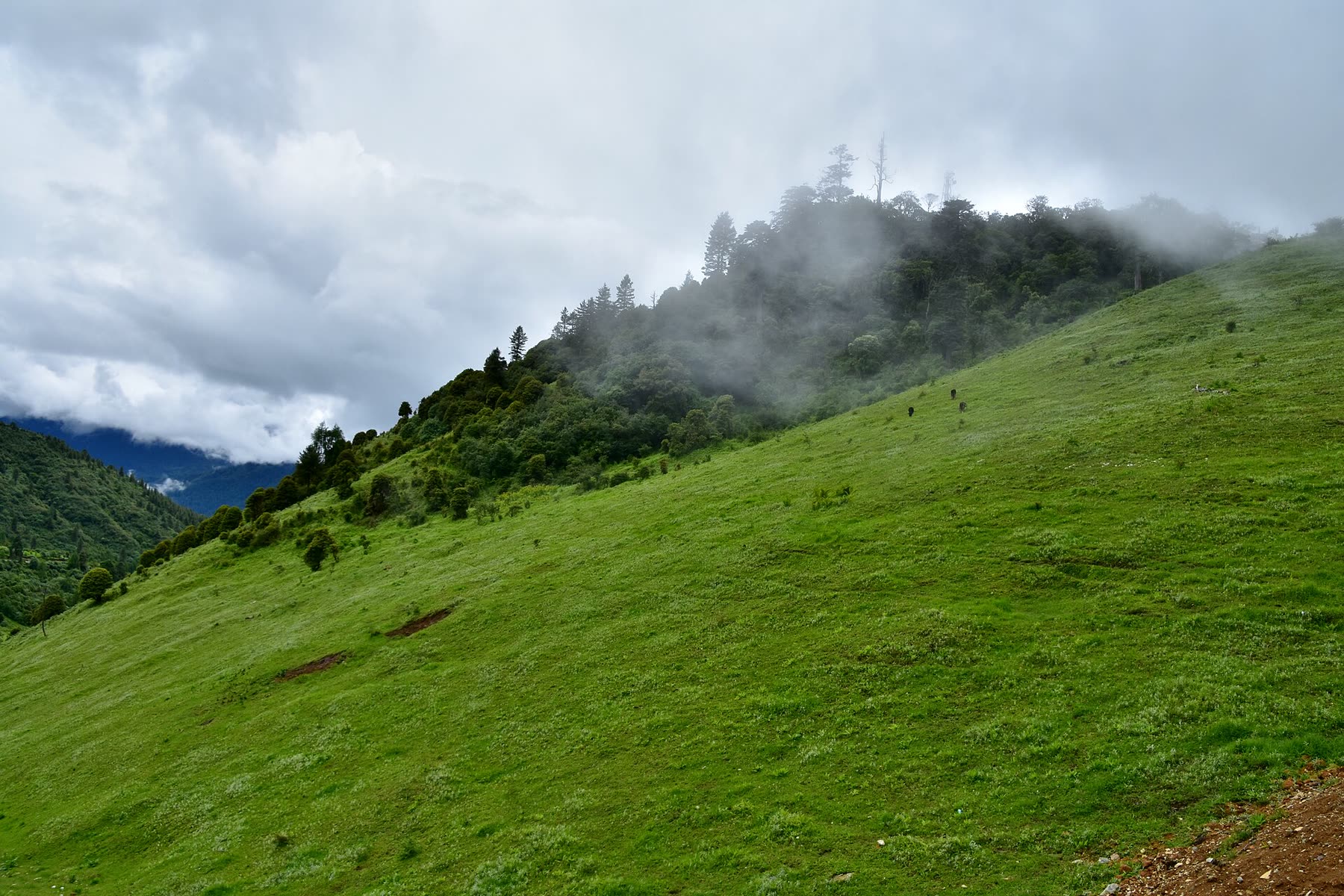
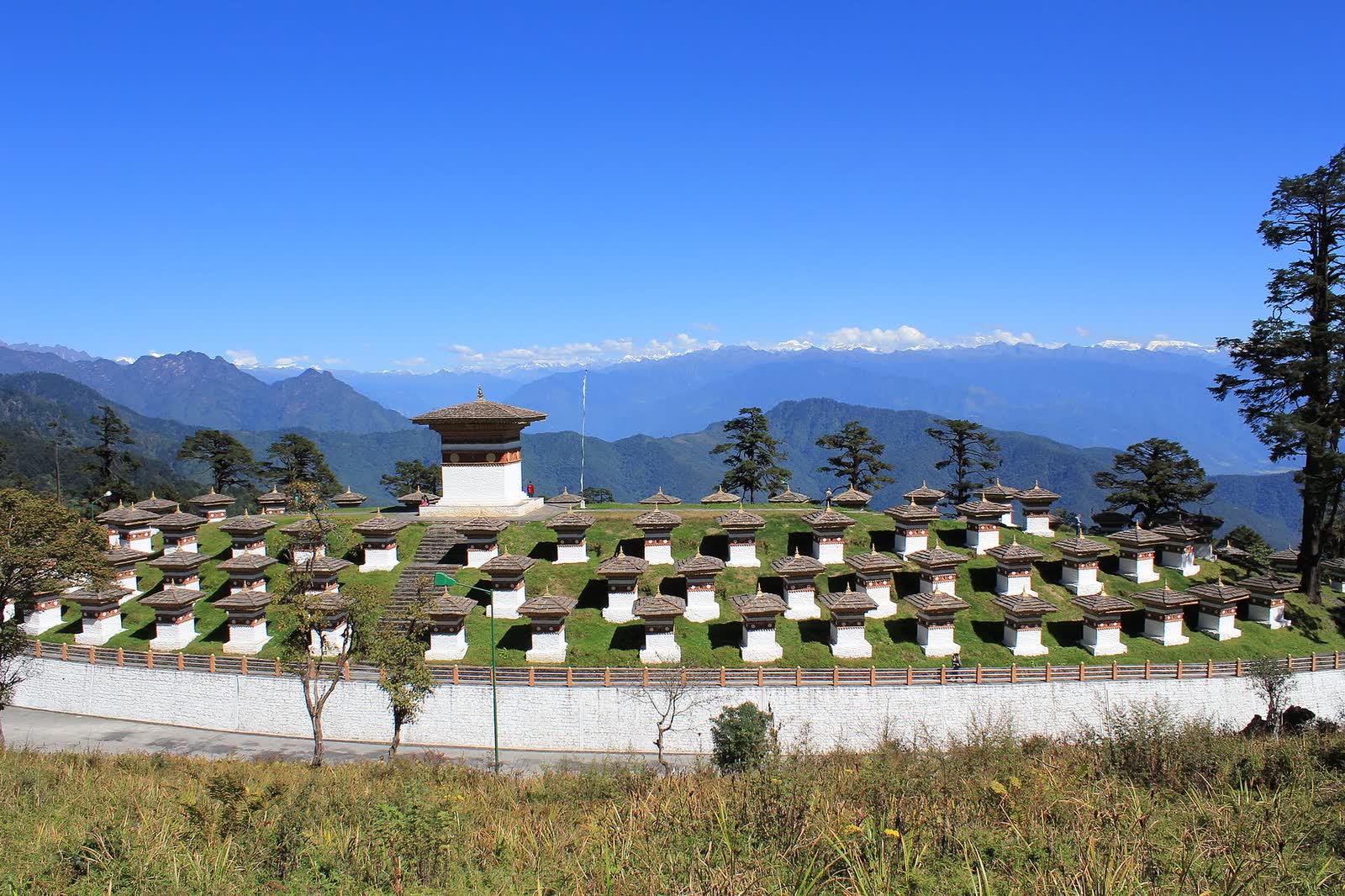
You'll feel GNH in small ways: in protected forests, in national dress worn every day, in the absence of billboards, and in a tourism policy that values quality over numbers. Travelling with respect is the best way to be part of it.
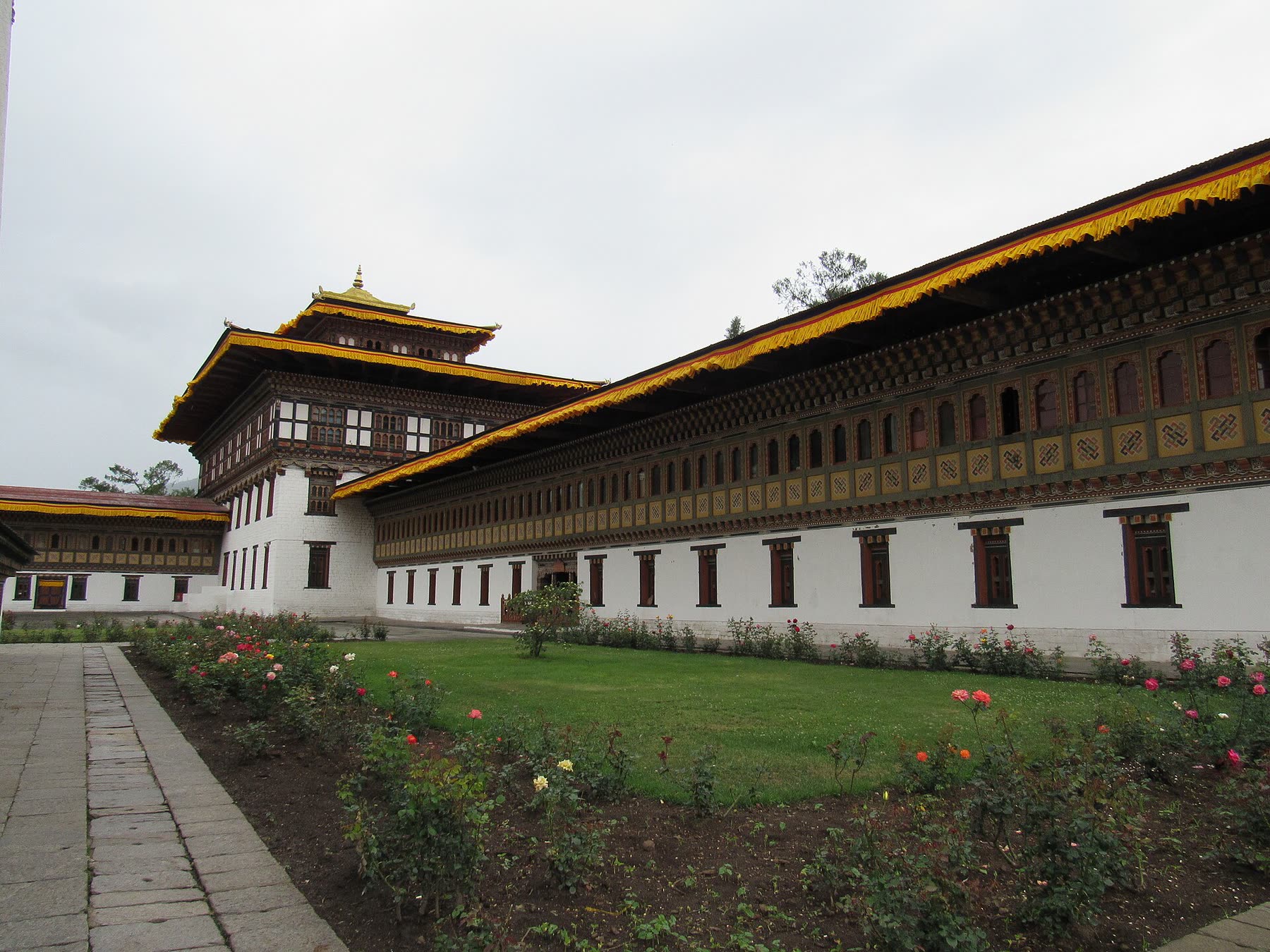
Header photo: Afifa Afrin, CC BY-SA 4.0